
Predicting disaster risk around the world
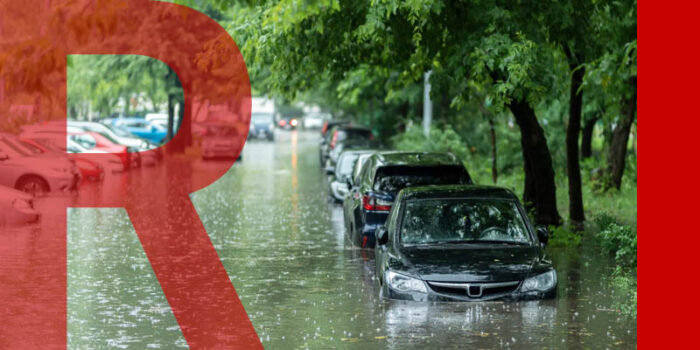
Over the past 50 years, there has been a five-fold increase in recorded weather-related disasters, with the World Meteorological Organisation (WMO) attributing two million deaths and $3.64 trillion in losses to these events.
With a changing climate set to increase the frequency and severity of severe weather events in many areas of the world, effective early warning messaging is needed to help members of the public reduce the risk that these events pose to themselves and their households.
As countries differ in terms of culture, climate profile, socio-economic development, government structures and risk governance, understanding what forms of risk messaging work best in these different contexts is of critical importance.
Read the full briefing noteImpact
- Revealing digital inequalities: the research found disparities between people's access to digital work and welfare and connected this to existing gender, race, disability and socio-economic inequalities
- Policy recommendations: detailed the key challenges and opportunities for policymakers and industry in the transition to digital work ecosystems.
Key information
- Major funders: Lloyd’s Register Foundation
- Disciplines: business, environment
- Investigators: Professor Andrea Taylor, Professor Suraje Dessai, Dr Sarah Jenkins, Dr Yim Ling Siu, Professor Barbara Summers, Dr Jack Thompson.
Keywords: risk perception, weather, climate, communication strategies, risk-preparedness, World Risk Poll