
Making public parks more welcoming with creative engagement
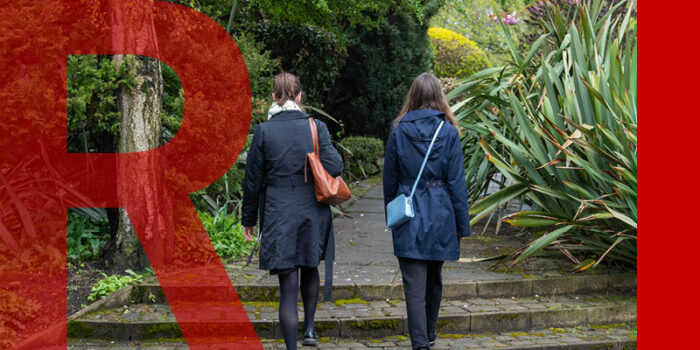
Woodhouse Moor, which connects the University of Leeds campus to the residential area of Hyde Park, is often referred to as the ‘lungs of the city’.
The University and the West Yorkshire Combined Authority (WYCA) have partnered up with Leeds City Council, who own the park, to explore how art and culture could cultivate a more attractive environment, both mentally and physically, to the local neighbourhood.
Key information
- Major funders: Research England Policy Support Fund
- Partners and collaborators: West Yorkshire Combined Authority, Leeds City Council, Street Space, Elder Connect, Leeds Muslim Youth Organisation, Rainbow Junktion, Hyde Park Source
- Disciplines: law, art, environment
- Investigators: Dr Anna Barker, Professor George Holmes, Professor Ben Walmsley, Wieke Eringa
- Creative producer: Emma Ratyal-Brooks.
Cultural collaboration
The University’s Law School and the Cultural Institute examined what initiatives could take place to make the park a more welcoming space for women and girls, with an emphasis on community art. This was a follow-on project from a study by Dr Anna Barker from the University’s School of Law and Professor George Holmes from the School of Earth, Environment and Sustainability in 2022, in which they explored women and girls’ perceptions of safety in parks.
The University of Leeds’ Cultural Institute commissioned social enterprise Street Space to consult and work with local residents and community organisations to help design and develop the project. Street Space, based in Bradford, works with people to reimagine their streets and spaces to make them feel safer and bring them joy. They embarked on a six-month engagement with the local communities, including a 12-member co-design group that identified events, activations, and initiatives that could strengthen community connections.
This work culminated in a one-day celebration event organised by the Cultural Institute with support from Leeds City Council. It involved Elder Connect, Leeds Muslim Youth Organisation, the Rainbow Junktion, and Hyde Park Source, a charity that aims to improve people’s wellbeing by enhancing their environment.
Hyde Park Source were commissioned to make the Little Library close to the tennis courts, where people could take and leave books as they please. The Little Library idea was co-designed as part of the community co-design group, which initiated creative interventions as part of the project. One of these interventions involved local artist Emma Bentley Fox, who was commissioned to create the Woodhouse Moor Histories walking tour. This included a map of the park with seven spots highlighted. These spots displayed photos from the history archive showing what existed there previously. Directional signposts and wayfinders were installed until the end of summer.
Arts and culture bring together communities
Yasmeen Soudani, Communications Officer at the Cultural Institute, said: “Just over one hundred people came and they really enjoyed it. They said the park definitely felt more welcoming.
“Although it was a small project, it highlighted important considerations. Some of these were specific to Woodhouse Moor, but others offered wider lessons about the potential of art and culture to bring communities together and find creative solutions to social issues.”
Alison Lowe, West Yorkshire's Deputy Mayor for Policing and Crime, said: "It's vital that everyone feels safe using public areas such as parks and green spaces, as we know how important they are for better health and wellbeing.
"We've worked together with the University of Leeds on producing Safer Parks guidance, which has a particular focus on women and girls, so it was fantastic to see the WoW Park project put this into action and achieve so much with such a small budget.
"Evaluation of the project has helped us gain a greater understanding of the impact interventions like these have on both the feeling of belonging and safety in parks."
Learnings from the pilot project include:
- Arts and cultural interventions can help public spaces feel vibrant, dynamic and cared for
- Art and design elements can be valuable as part of a comprehensive urban design strategy
- Arts and cultural activities may encourage a wider range of people to use public parks.
The Cultural Institute has made recommendations for Leeds City Council to consider:
- A long-term civic agreement with local businesses to provide toilet facilities for park users would ensure everyone can enjoy the park, including families, older people and disabled people
- Signs and wayfinders help make the park feel more inviting and prevent people from feeling lost
- Social seating and group-friendly benches help transform parks into dynamic, interactive and inclusive spaces
- Creating regular events, activations, or initiatives provides opportunities for community bonds to develop and increase a natural surveillance
- Targeted events can ensure all sections of the community feel included
- Use the principles created by the Collaborative Design Group to guide future projects, helping ensure those projects are locally relevant and inclusive.
Keywords: art, creative, public engagement, environment, culture, participation, parks, inclusion