
Food science spin-out champions sustainable, satisfying solutions
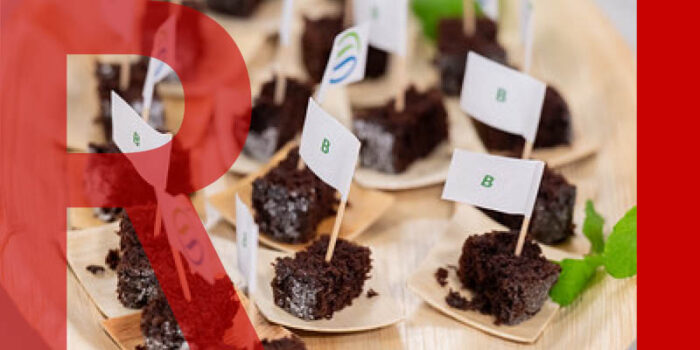
University of Leeds protein research informed the spinout MicroLub Ltd, which pioneers healthy, sustainable ways to improve the texture of food and allied soft matter applications.
MicroLub develops ‘scaffolds’ of protein coated sporadically by polysaccharides, which can replace fats and oils in food while retaining an appealing, lubricious texture for eaters.
The company is collaborating with the food industry to find out how this cutting-edge, patented platform technology can transform food production.
Impact
- Improving public health by lessening the need for added fat for texture in food production
- Reducing reliance on meat by improving the taste and texture of alternative proteins. This will help to reduce emissions caused by animal agriculture.
Key information
- Major funders: Northern Gritstone, LIFTT, NPIF II – Praetura Equity Finance, European Research Council, UKRI Horizon Europe Guarantee fund, National Alternative Protein Innovation Centre (NAPIC), UKRI Impact Acceleration Account
- Disciplines: food science and nutrition
- Investigators: Anwesha Sarkar, Ben Kew, Mingduo Mu, Olivia Pabois, Shuning Zhang, Efren Reyes, Jing Hu, Alice Burberry, Andrea Calahorra.
Improving nutrition through food science
Obesity contributes to a projected global annual health bill of £3.3 trillion, and over half the world’s population is on course to be overweight or obese within the next decade, according to the World Obesity Federation.
Fats and oils make foods texturally appealing and tastier by adding lubrication or creaminess. However, they also increase calorie content, which can contribute to weight gain.
MicroLub not only makes foods healthier but also drives sustainability by supporting the alternative protein industry, which could reduce reliance on unsustainable animal agriculture.
Professor Nick Plant, Deputy Vice-Chancellor: Research and Innovation at the University of Leeds, said: “This groundbreaking research is addressing a major global challenge while placing the UK at the forefront of the quest to reduce health inequalities. We are proud of our track record of transforming academic research into commercial success.”
It all started with saliva
The microgel technology was first created and trialled by Jing Hu, Dr Efren Andablo-Reyes, and Professor Anwesha Sarkar in 2020 and was advanced alongside Dr Olivia Pabois, Dr Andrea Araiza-Calahorra, and Alice Burberry.
They found that gels made from both dairy and potato proteins could replace saliva for people with dry mouth conditions.
The team ran pre-clinical trials with the product and found that it could be up to five times more effective than pre-existing commercially available saliva replacements.
Their work then focused on how the platform technology could improve the texture and moisture of foods. One food of focus was plant-based proteins, where astringency has been a major bottleneck for acceptance.
The spinout was incorporated in 2023 and has since worked with many industry partners.
Professor Anwesha Sarkar, founder of MicroLub and co-director of NAPIC, said: “When we discovered the technology, we were pleasantly surprised with the superlubricity. We knew it had many potential applications across sectors, which we can now explore with this investment led by Northern Gritstone.”
Scaling up with investment
The journey to MicroLub Ltd started with a European Research Council Fellowship by Professor Sarkar, alongside European and UKRI proof-of-concept fundings.
In 2024, Northern Gritstone led a combined £3.5m seed round investment into MicroLub alongside co-investors, LIFTT and NPIF II – Praetura Equity Finance.
The researchers worked with the University of Leeds’ commercialisation team to find out what customers, including industry partners, want and need from this area of food science and innovation.
The commercialisation team supported Professor Sarkar to patent the technology and to get translational funding to build the commercial strategy. It was pivotal in supporting the team through its investment journey.
The team recruited David Peters, who helped build the market strategy for MicroLub Ltd and who is now the CEO.
Duncan Johnson, CEO of Northern Gritstone, said: “Northern Gritstone is delighted to support MicroLub’s world-class team. Obesity is a challenge in many countries, reducing the quality of life of an individual and often shortening it. MicroLub shows that innovation coming out of the University of Leeds has the potential to help solve these global challenges.”
David Peters, CEO of MicroLub, said: “There is a huge market opportunity in food for MicroLub. We already have strong traction with ingredients giants and some of the largest food and dairy companies, who are looking for innovative ways to make their products healthier, appealing, more nutritious and more sustainable. I am very excited about the journey ahead with our customers with this platform technology.”
World Food Day